CSR initiatives
Governance & strategy
A collectively managed and evolving approach
Social responsibility is integrated into the school’s governance, with cross-functional coordination involving representatives from management, staff, teachers and students. It is based on a dynamic of continuous improvement, adapting to emerging priorities and changing societal expectations.
Regular consultation sessions allow for the monitoring of ongoing projects, the adjustment of objectives and the encouragement of active participation by all stakeholders.
Teaching & training
Raising awareness, training and empowering future decision-makers
The CSR dimension is gradually being integrated into all programmes through:
- modules dedicated to topics such as ethics, the environment, inclusion and digital transition,
- encouragement of active and collaborative teaching methods,
- the requirement for student projects to include consideration of their social and environmental impact.
The school also offers participatory formats, such as the Fresque du Climat (Climate Collage) and the Atelier 2 Tonnes (2-Ton Workshop), which are accessible to both students and staff.
Research & innovation
Producing knowledge that is useful for transitions
Research conducted at RSB focuses on topics related to social, environmental and economic transitions. It employs multidisciplinary approaches, in collaboration with local stakeholders and international partners.
Some publications and research projects address topics such as sustainable finance, responsible governance, consumer behaviour and sustainable innovation models. The school also encourages the wide dissemination of research results, particularly through open access.
Environmental management
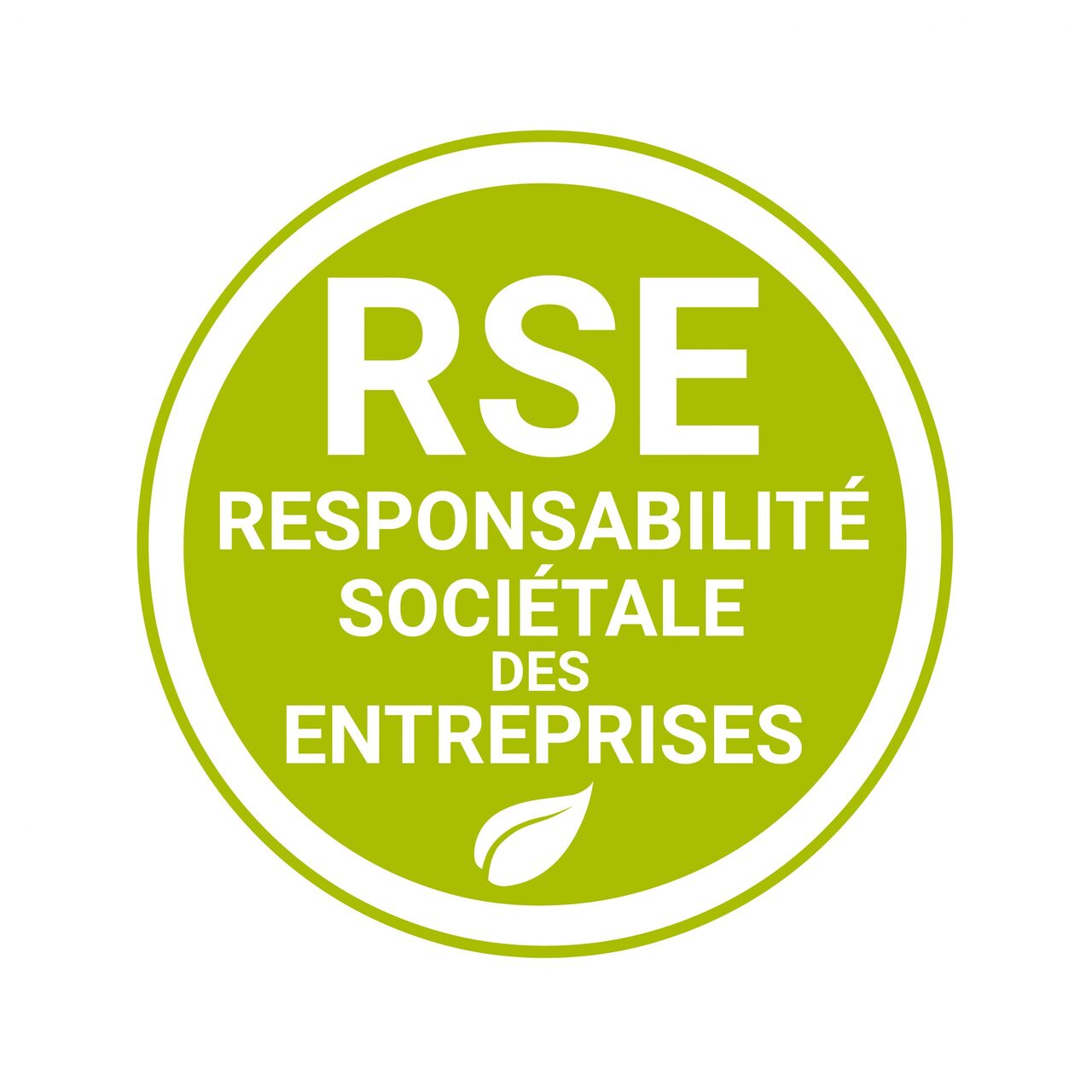
Reducing the environmental impact of campuses
The day-to-day management of campuses is evolving towards a logic of sobriety and resource optimisation. Several actions have been implemented to reduce the carbon footprint:
- improving the energy performance of buildings,
- reducing the use of plastic,
- encouraging soft mobility and limiting non-essential air travel.
In 2022, Rennes School of Business carried out its first carbon assessment, including indirect emissions (scope 3), in collaboration with the firm O2M Conseil. The objective was to establish a realistic basis for prioritising reduction measures.
See the summary of overall results and main emission sources
Social policy & regional commitment
Promoting inclusion and strengthening ties with our ecosystem
The school strives to build a respectful, diverse and inclusive working and learning environment. This translates into:
- a focus on quality of life at work,
- actions promoting equal opportunities,
- enhanced dialogue with student associations on social issues.
Regional roots also involve developing partnerships with local businesses, institutions and associations. RSB supports impactful projects led by its students or its foundation.
A progressive and shared dynamic
Rennes School of Business’s CSR approach is not based on fixed objectives but on a desire for sustainable transformation. It is progressing thanks to the collective involvement of all the school’s stakeholders and a culture of experimentation and transparency.